
Stay Safe During Extreme Heat in Minnesota
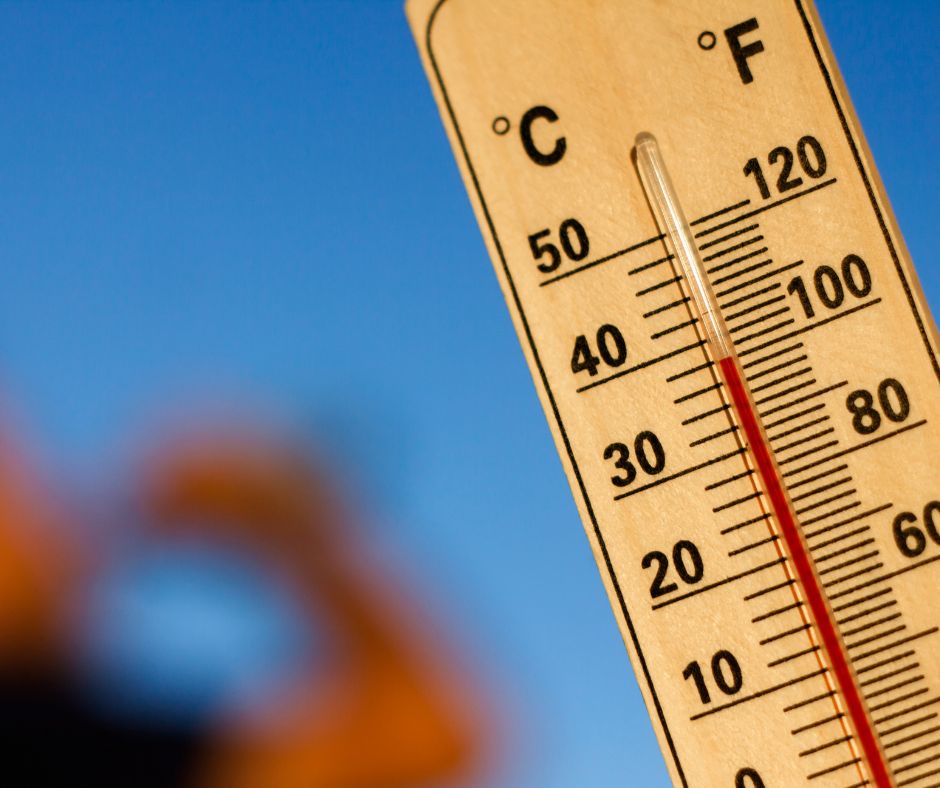 Climate change is bringing longer and more intense periods of extreme heat to Minnesota. The Partnership for Inclusive Disaster Strategies defines extreme heat as a period of high heat and humidity, with temperatures above 90 degrees for two to three days.
Extreme heat can affect anyone, but some people with disabilities and long-term health conditions may face a greater risk of heat-related illness. Hot, humid weather can make it harder for the body to cool itself and can worsen some health conditions. Knowing your risks, making a plan, and learning the signs of heat illness can help you stay safe.
Who May Face Greater Risks During Extreme Heat
Heat does not affect every person in the same way. Health conditions, medications, mobility, access to air conditioning, and the ability to recognize or communicate symptoms may affect a person’s risk.
Some people who may face greater risks include:
- People with spinal cord injuries and some neurological or muscular disabilities, which may make it harder for the body to regulate, or control, its temperature.
- People with intellectual disabilities who may have difficulty recognizing or communicating signs of heat distress.
- People with some mental health conditions whose symptoms may worsen during extreme heat. Certain medications may also affect the body’s ability to stay cool or hydrated.
- People with long-term heart, lung, or kidney conditions, which can increase the risk of heat illness.
These examples are not a complete list. Pay attention to how heat affects you. Ask a health care professional if you have questions about how a health condition or medication may affect your risk during extreme heat.
Make a Plan to Stay Safe
Follow local weather reports and make a personal plan before temperatures rise. Decide where you can go to stay cool, how you will get there, and who you can contact if you need support.
Find an air-conditioned place if your home becomes too warm. Options may include a public library or community center. Before leaving, confirm that the location is open and accessible to you.
During hot weather:
- Drink water often. Do not wait until you feel thirsty. Water or drinks with electrolytes can help you stay hydrated.
- Avoid alcohol and drinks with caffeine.
- Move to a shaded or air-conditioned place when you need to cool down.
- Keep shades or curtains closed to block direct sunlight.
- Limit time outdoors and strenuous activity, especially during the hottest part of the day.
- Wear loose, lightweight clothing.
- Take a cool shower or bath.
- Limit use of the oven and stove to help keep your home cooler.
- Check on friends, family members, and neighbors. Ask someone to check on you.
- Never leave a person or animal in a parked vehicle.
Pay attention to how you feel and to signs that you may be overheating. Rest and move to a cooler place if you begin to feel unwell.
Know the Signs of Heat Illness
Heat Exhaustion
Heat exhaustion can develop after exposure to heat or physical activity in hot weather. Signs may include headache, dizziness, clammy skin, heavy sweating, muscle cramps, fatigue, or weakness.
Move the person to a cool, shaded place. Remove as much clothing as possible. Use cool, wet cloths, a cool bath, or a cool shower to lower their body temperature. Fan wet skin and offer cool water or an electrolyte drink.
Call 911 if symptoms get worse, last more than an hour, or include chest pain or shortness of breath.
Heat Stroke
Heat stroke is a medical emergency. Signs may include headache, nausea, vomiting, dizziness, loss of consciousness, confusion, agitation, slurred speech, seizures, or difficulty maintaining balance. A person experiencing heat stroke may have hot, dry skin or may continue sweating.
Call 911 immediately. Cool the person as quickly as possible using cold, wet towels, ice packs, or cold water. Stay with the person and monitor their breathing while waiting for help. Do not give them anything to drink.
Signs of heat exhaustion and heat stroke can overlap. When in doubt, call 911.
Read the Minnesota Department of Health’s guide to the signs of heat exhaustion and heat stroke (PDF) and Extreme Heat Disaster Tips from the Partnership for Inclusive Disaster Strategies for more ways to prepare.
Legal Disclaimer:
EIN Presswire provides this news content "as is" without warranty of any kind. We do not accept any responsibility or liability for the accuracy, content, images, videos, licenses, completeness, legality, or reliability of the information contained in this article. If you have any complaints or copyright issues related to this article, kindly contact the author above.
